

Navigating Drone Filming Regulations Wales: Your Ultimate Guide to Safe and Legal Aerial Videography

Flying a drone is thrilling. The freedom to capture stunning aerial shots is like holding a magic wand that reveals the world from a fresh perspective. But hold on! Before you launch your drone into the Welsh skies, you need to know the rules. Drone filming regulations in Wales are designed to keep everyone safe and protect privacy. If you want your drone adventures to soar without a hitch, understanding these rules is non-negotiable.
Let me walk you through everything you need to know about flying drones legally and confidently in Wales. Whether you’re capturing a sprawling construction site, showcasing a beautiful estate, or filming a special event, this guide has got you covered.
Understanding Drone Filming Regulations Wales: The Basics
First things first, what are the drone filming regulations in Wales? The UK Civil Aviation Authority (CAA) governs drone use across the UK, including Wales. These rules apply to all drone pilots, whether you’re a hobbyist or a professional.
Here’s the lowdown:
Drone weight matters: Different rules apply depending on whether your drone weighs less than or more than 250 grams.
Keep your drone in sight: Always maintain visual contact with your drone.
Respect no-fly zones: Airports, military bases, and certain public spaces are off-limits.
Fly below 400 feet: This keeps you clear of manned aircraft.
Respect privacy: Avoid filming people without their consent.
For professional drone operators, additional permissions and certifications may be required, especially if you’re filming commercially.
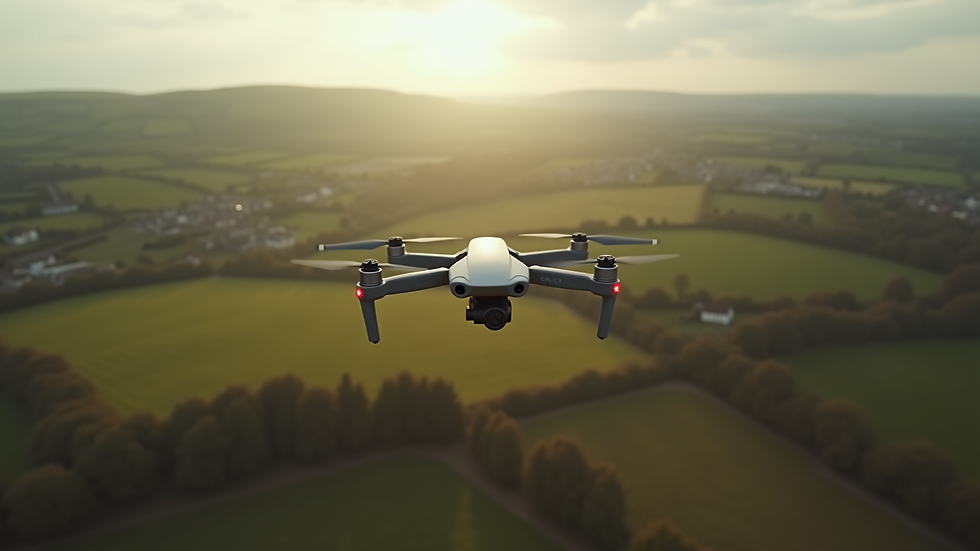
If you’re planning to use drone footage for business purposes, such as real estate marketing or event coverage, you’ll need to register with the CAA and pass a theory test. This ensures you understand the legal and safety aspects of drone flying.
What Happens If Your Drone Is Over 249 Grams?
This is a crucial point that often trips up new drone pilots. If your drone weighs 250 grams or more, you enter a different regulatory category. Why? Because heavier drones can cause more damage and pose greater risks.
Here’s what you need to know:
Registration is mandatory: You must register as a drone operator with the CAA.
Pass the Flyer ID test: This online test proves you understand the rules.
Follow the ‘Open’ or ‘Specific’ category rules: Depending on your drone use, you may need additional permissions.
Insurance is highly recommended: While not always legally required, it’s smart to protect yourself and your equipment.
For example, if you’re filming a large construction site with a drone weighing 500 grams, you must have your operator ID visible on your drone and carry your Flyer ID when flying.
Ignoring these rules can lead to hefty fines or even criminal charges. So, don’t take shortcuts!
Practical Tips for Flying Drones Safely and Legally in Wales
Now that you know the rules, how do you put them into practice? Here are some actionable tips to keep your drone flights smooth and compliant:
Plan your flight: Check for any temporary flight restrictions or local bylaws.
Use drone apps: Tools like Drone Assist or NATS DroneSafe provide real-time airspace info.
Avoid crowds and private property: Respect people’s privacy and safety.
Keep your drone within 500 metres horizontally and 400 feet vertically: This is the legal limit for most flights.
Maintain line of sight: Don’t rely on first-person view (FPV) goggles alone.
Check weather conditions: Wind and rain can affect drone stability.
Carry out pre-flight checks: Battery levels, GPS signal, and firmware updates.
By following these steps, you’ll reduce risks and capture stunning footage without legal headaches.

How to Get Permission for Commercial Drone Filming in Wales
If you’re using drones for business, such as filming weddings, real estate, or events, you’ll need to go beyond the basic rules. Commercial drone use requires:
Permission for Commercial Operations (PfCO): Now replaced by the Operational Authorisation under the UK’s new drone regulations.
Risk assessment: You must assess and mitigate risks associated with your flight.
Insurance: Public liability insurance is essential.
Compliance with GDPR: If you’re capturing people, you must respect data protection laws.
Getting authorised can seem daunting, but it’s worth it. It opens doors to more complex projects and ensures your work is professional and trustworthy.
Staying Updated on Aerial Videography Rules Wales
Drone regulations are evolving fast. New technologies and safety concerns mean rules can change. Staying informed is key to flying legally and safely.
Follow the CAA website: They publish updates and guidance.
Join local drone clubs or forums: Connect with other pilots and share tips.
Subscribe to newsletters: Industry news keeps you ahead of changes.
Attend workshops or training: Boost your skills and knowledge.
Remember, the phrase aerial videography rules Wales is your gateway to understanding the legal landscape. Use official resources to avoid misinformation.
Ready to Take Your Drone Filming to New Heights?
Navigating drone filming regulations in Wales might seem like a maze at first. But with the right knowledge and preparation, it becomes second nature. You’ll be able to capture breathtaking aerial footage that wows clients and audiences alike.
Keep your drone registered, respect the rules, and always prioritise safety. Whether you’re filming a sprawling construction project, a stunning wedding, or a vibrant event, your drone can be a powerful storytelling tool.
So, what are you waiting for? Get out there, fly smart, and let your creativity soar across the beautiful Welsh skies!


Comments